Top Building Materials for Hotel Design in Morocco’s Climate
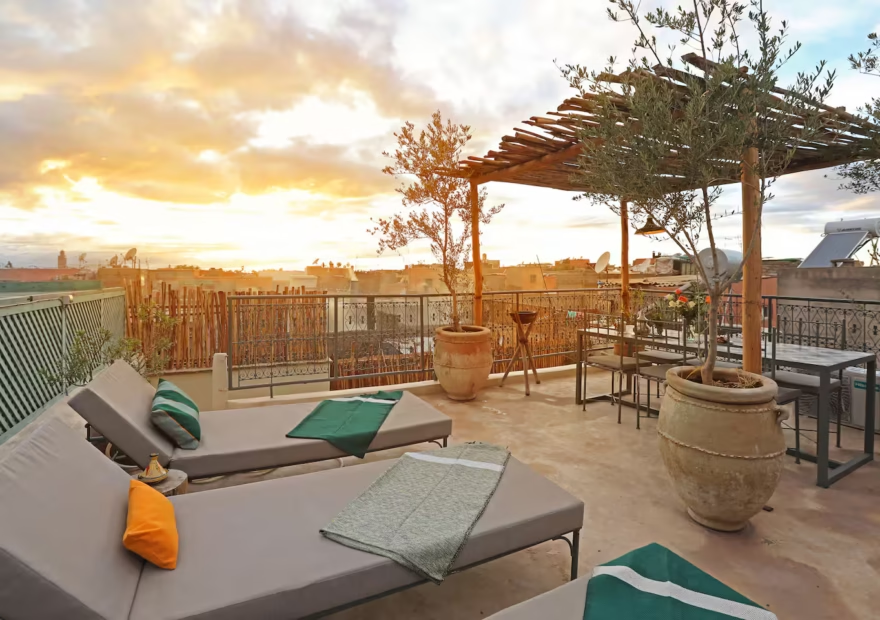
In the world of hotel design Morocco, success lies in blending authentic Moroccan aesthetics with smart construction choices that can handle the country’s diverse climate — from the arid Sahara to the humid coasts and chilly mountain zones.
Choosing the right Morocco building materials ensures your property is both beautiful and built to last. Whether you’re constructing a new riad or renovating a modern hotel, this guide highlights the top materials that offer durability, sustainability, and timeless Moroccan charm.
Tadelakt: Waterproof Plaster with Heritage
Used in riads and hammams for centuries, Tadelakt is a lime-based plaster that’s naturally waterproof and breathable — perfect for Moroccan heat and humidity.
Why it works:
Ideal for bathrooms, spas, and pools
Elegant matte texture with a traditional Moroccan feel
Mold-resistant and eco-friendly
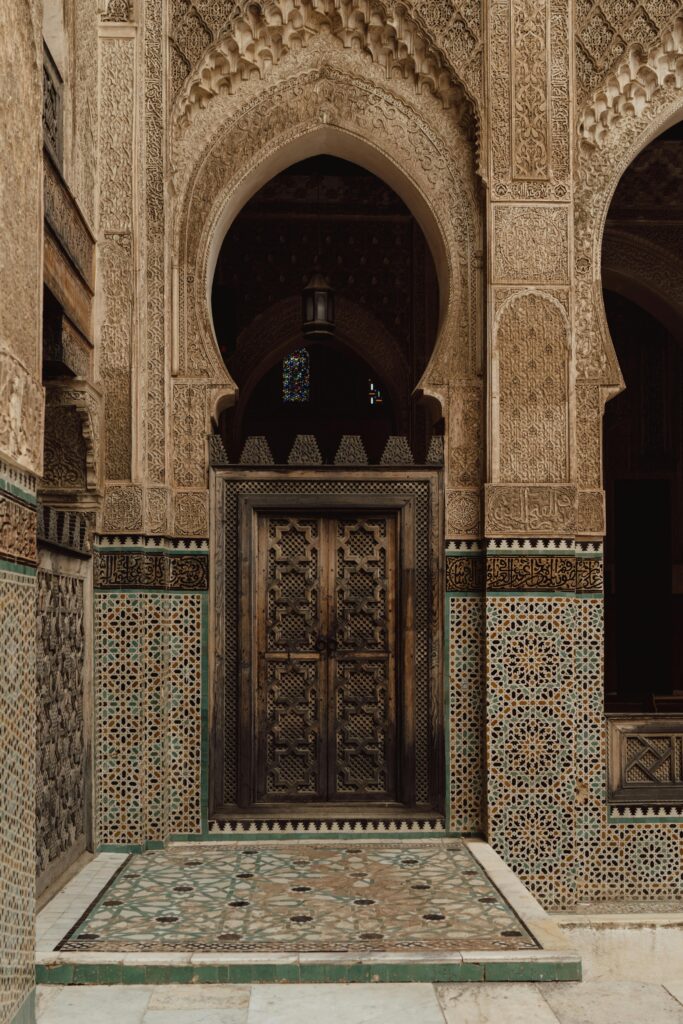
Zellige Tiles: Craft Meets Climate Control
Zellige, the hand-cut glazed tile, isn’t just decorative — it keeps interiors cool during Morocco’s scorching summers.
Ideal for:
Hotel lobbies
Courtyards
Restaurant walls and floors
These tiles reflect light and heat, and bring a luxurious, handmade touch to any hotel design Morocco.
Rammed Earth (Pisé): The Eco-Friendly Wall Solution
This ancient technique involves compacting layers of earth to form thick, natural walls. Common in traditional riad construction, it’s now gaining popularity in sustainable hotel projects.
Benefits:
Natural insulation (warm in winter, cool in summer)
Low environmental impact
Visually stunning with raw, earthy texture
Cedar Wood: Beauty, Strength & Resistance
Cedar is a premium Moroccan wood known for its pleasant aroma and resistance to humidity and insects.
Best for:
Custom furniture
Shutters and ceilings
Decorative lattice (moucharabieh)
Its reddish tone adds warmth and character to modern and traditional hotel interiors.
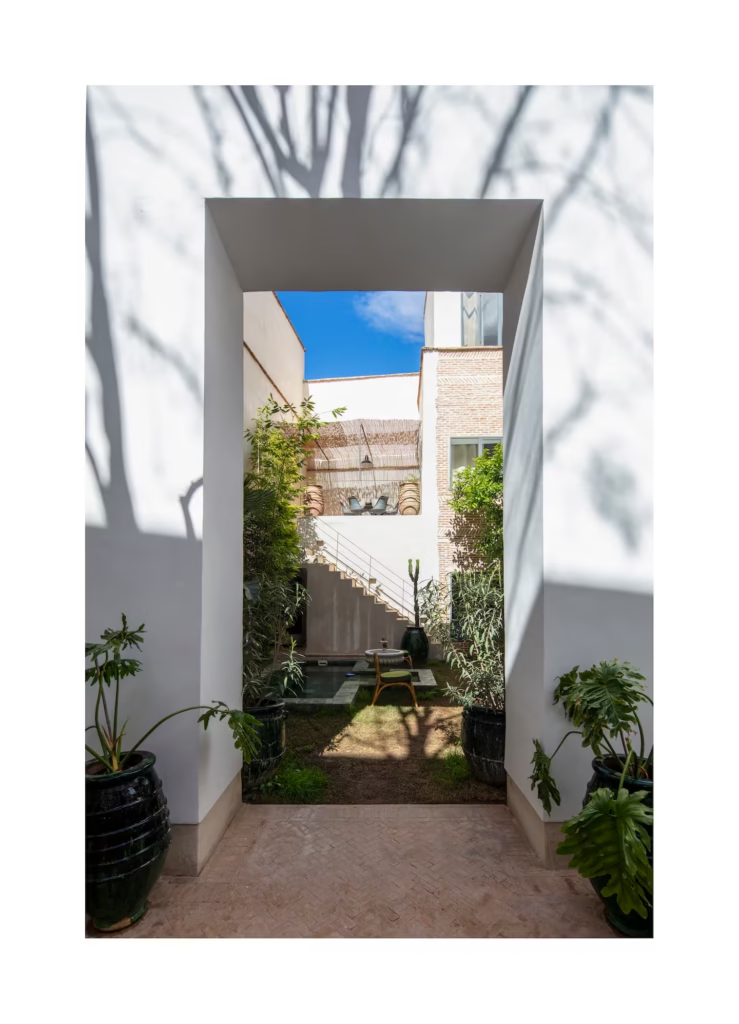
Terracotta and Clay: Breathable & Stylish
Used for centuries in Moroccan construction, clay bricks and terracotta tiles allow buildings to “breathe,” reducing the risk of moisture damage.
Use in:
Roof tiles
Outdoor paving
Floor tiles for patios and lounges
They are cost-effective and naturally regulate indoor temperature — key for climate-adaptive hotel design Morocco.
Stone & Marble: Cooling Natural Materials
Moroccan hotels often use local stone (like Atlas mountain limestone) and marble for:
Reception areas
Guest bathrooms
Outdoor facades
Stone retains coolness — ideal for desert and hot city environments — while adding timeless elegance.
How These Materials Support Riad Construction and Sustainability
Many of the materials listed above align with traditional riad construction principles: thick walls, natural cooling, and intricate design details. By blending old techniques with modern engineering, hoteliers can:
Improve energy efficiency
Lower long-term maintenance costs
Meet green building certifications (like EDGE or LEED)
Final Thoughts: Build with Culture, Climate & Comfort in Mind
Whether you’re building a boutique hotel in Essaouira or renovating a riad in Fes, choosing the right Morocco building materials is more than just a design decision — it’s a commitment to longevity, sustainability, and an unforgettable guest experience.
Hotel design Morocco is most successful when it embraces heritage, adapts to the environment, and creates comfort through thoughtful construction choices.
Ready to Start Your Project?
If you need help sourcing Moroccan artisans, sustainable materials, or local architects, I can help you build a vendor list or connect you with turnkey hotel renovation experts.


[…] Hotel Design Morocco: Top Construction Materials for Climate and Style […]